On the Rails Since 1850
Before Coldwater had highways, before it had storefronts and streetlights, it had rails. And where those rails met the town, stories were born.
When the Trains First Arrived
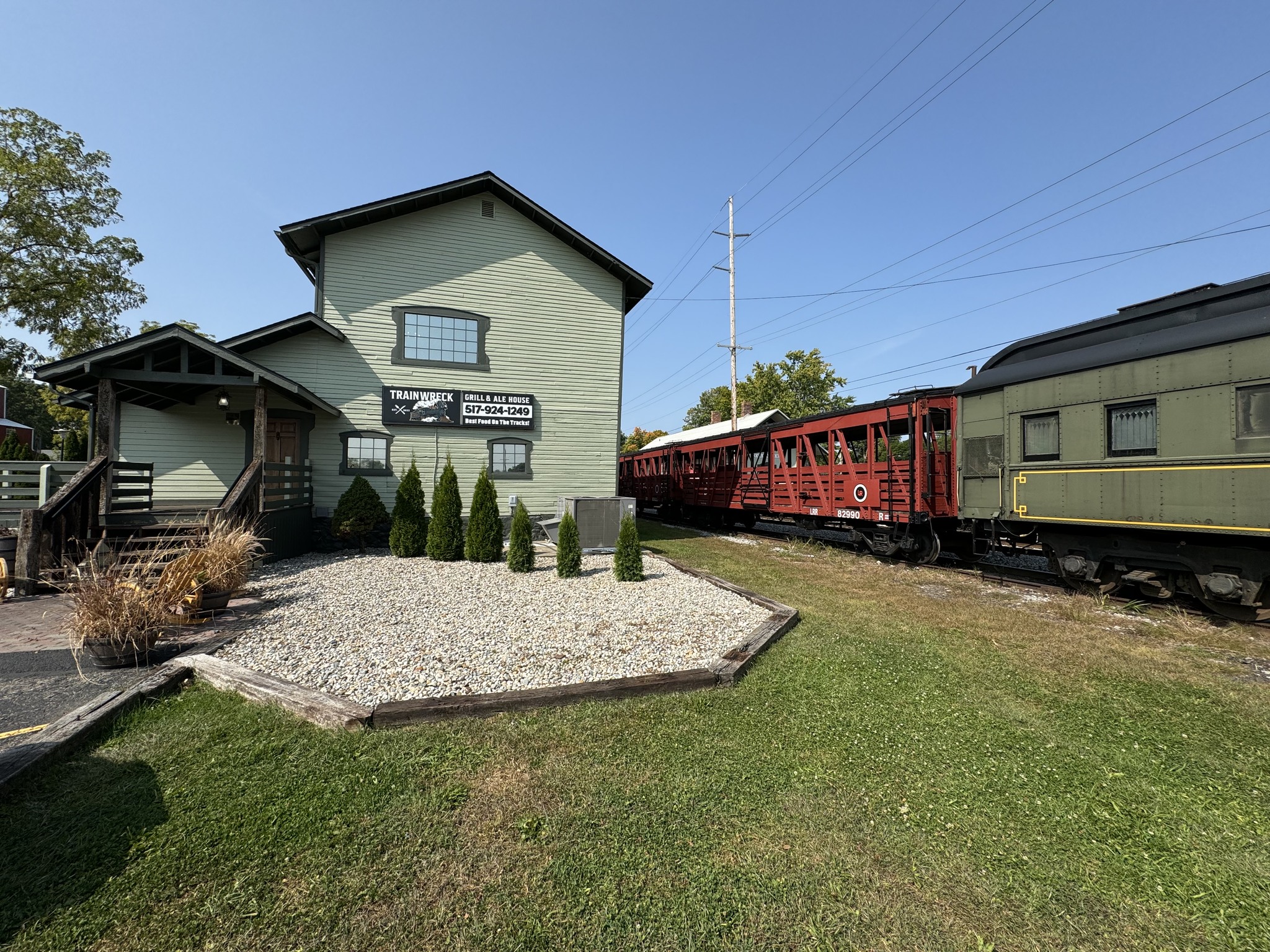
In December of 1850, Coldwater gathered with anticipation. At noon, the town’s first freight train rolled in, taking on a load of flour. Later that afternoon—around 4:15 PM—a crowd assembled again, this time to witness something even more remarkable: the arrival of the first passenger train.
That moment changed everything. The whistle, the steam, the movement of people and goods marked Coldwater’s transformation from a quiet settlement into a connected community—linked to opportunity far beyond Branch County.
The Old Road to the Midwest
By February 20, 1852, Coldwater became a stop along the Michigan Southern Railroad’s Toledo–Chicago route. For a time, this line—later known as “The Old Road”—was one of the only continuous rail connections between the East Coast and Chicago.
Passengers arrived carrying news, letters, ambition, and hope. Freight cars hauled agricultural goods, raw materials, and supplies that fueled the region’s growth. The rails didn’t just pass through Coldwater— they anchored it.
History of 32 Railroad Street
Early Settlement Era
Before rails or depots, Coldwater began as a trading post—shaped by movement, exchange, and the promise of connection.
The Arrival of the Railroad
The sound of the whistle announced a new future—one that would tie Coldwater to the wider Midwest and beyond.
The Depot Years
As rail traffic grew, Coldwater’s depot evolved—from a simple wooden structure to a lasting brick landmark.
The Freight & Transition Era
Passenger trains faded, but the depot endured—adapting to freight service as transportation and commerce changed.
A Place to Gather
The depot’s next chapter transformed it from a place of transit into a destination.
Preservation & Revival
Stewardship returned to the forefront—honoring the past while preparing the building for its next life.

The Freight House
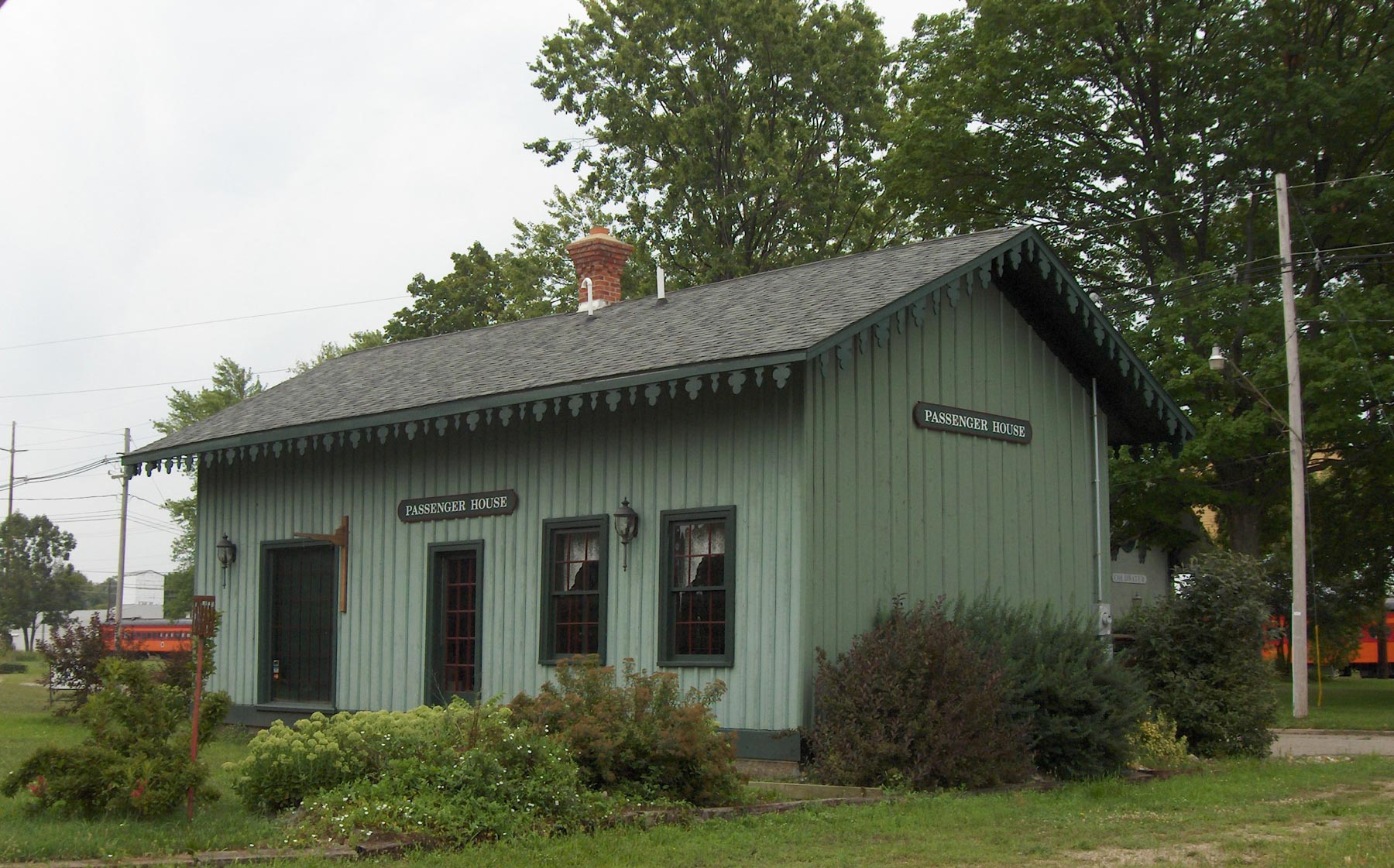
While passengers waited across the tracks, the freight house was where work happened. Crates were unloaded, wagons lined up, and the steady rhythm of commerce filled the air. This wooden structure was built for strength, function, and endurance—never for show.
Its beams absorbed decades of movement and labor. It stood through economic booms, world wars, and the slow fading of passenger rail. Long after the trains stopped carrying people, the building remained—quiet, patient, and still full of stories.
A New Kind of Gathering Place
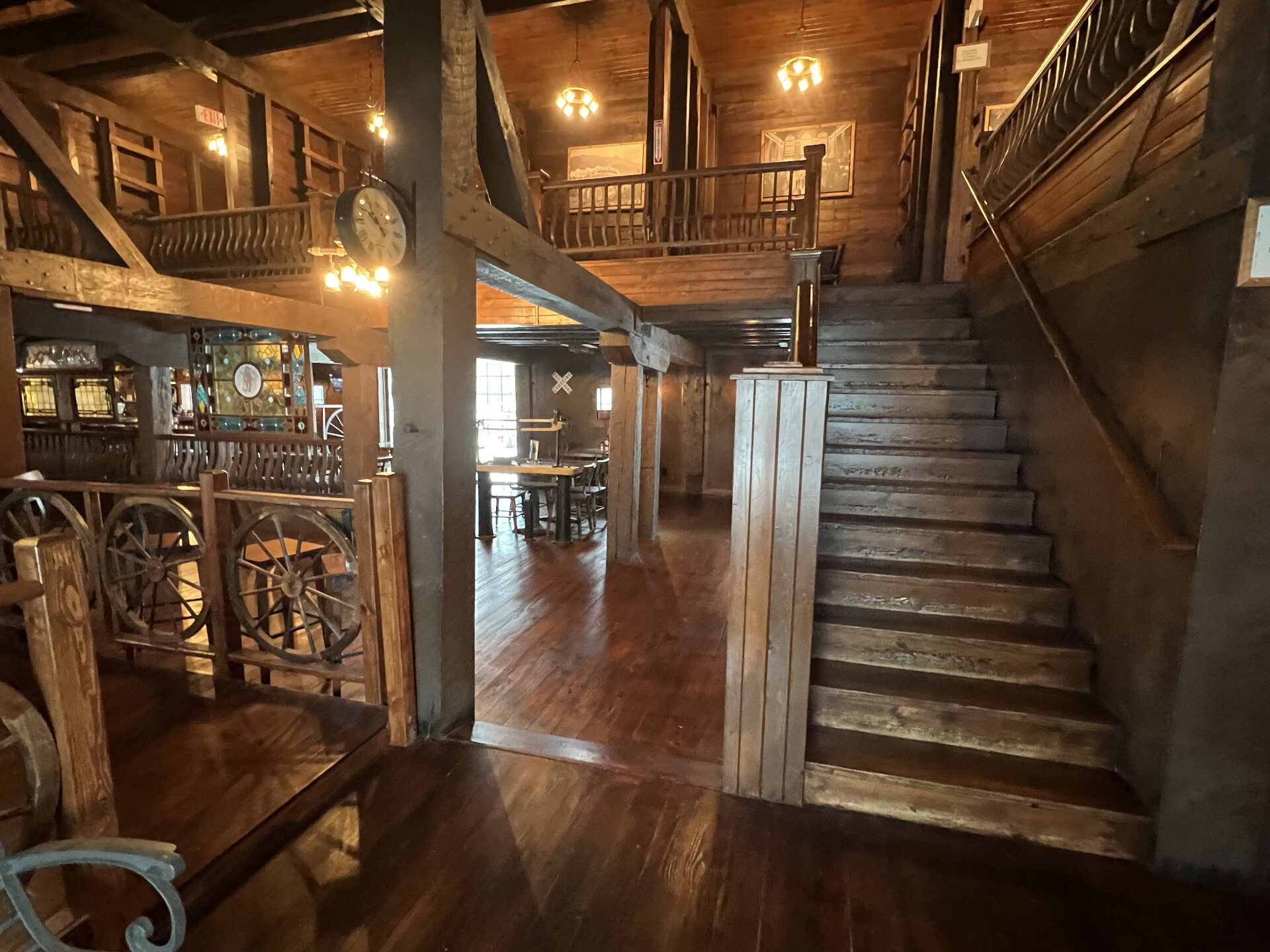
Today, the freight house lives again as Trainwreck Grill & Ale House—a place where conversation replaces cargo, and where meals and memories move through the space instead of railcars.
We didn’t try to erase the past. We leaned into it. The exposed wood, the proportions of the room, the sense of movement and warmth—all remain. What’s changed is the purpose.
Trainwreck exists for the same reason the railroad once did: to bring people together. Every visit adds another chapter to a story that began more than 170 years ago.